
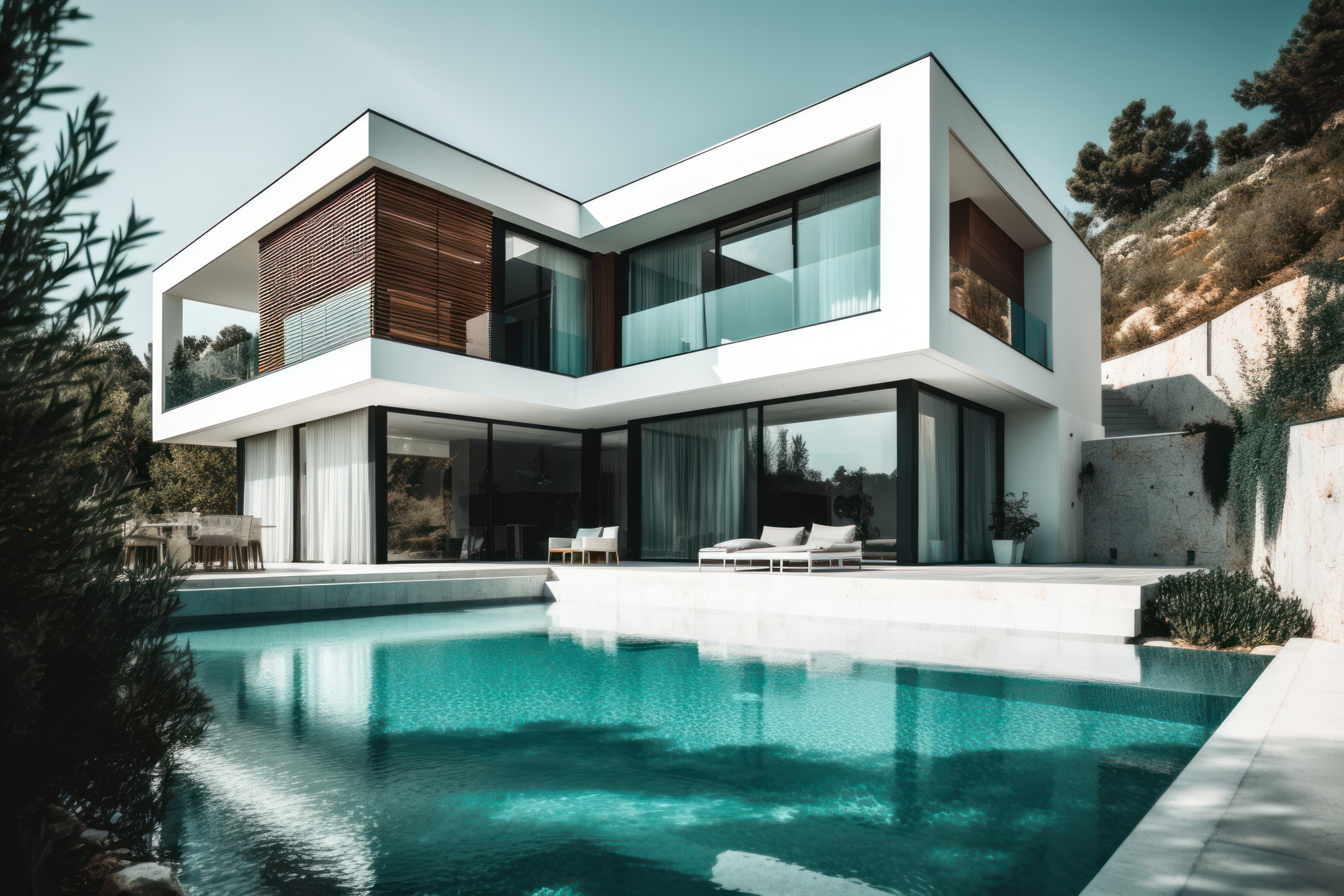
Today, with the advancement of technology, prefabricated buildings are also moving towards becoming smart. Smartening prefabricated buildings has many benefits, including increasing energy efficiency, improving security, increasing the comfort and well-being of residents, and reducing maintenance costs.
In this article, we will examine the different dimensions of smartening prefabricated buildings and introduce different solutions for its implementation.
Benefits of smartening prefabricated buildings
Increasing energy efficiency: Using smart systems, a building’s energy consumption can be significantly reduced. For example, smart lighting systems can adjust artificial light according to the amount of natural light and ensure that lights are turned off when people are not present.
Improving security: Smart security systems can significantly increase building security. For example, access control systems can prevent unauthorized people from entering the building, and fire alarm systems can quickly warn residents in the event of a fire.
Increased comfort and well-being of residents: Smart systems can significantly increase the comfort and well-being of residents. For example, smart heating and cooling systems can automatically adjust the temperature of the building, and smart audio and video systems can allow music and videos to be played throughout the building.
Reduced maintenance costs: With the use of smart systems, building maintenance costs can be significantly reduced. For example, smart systems can identify and resolve technical problems in the building before they become serious.
Smart solutions for prefabricated buildings
Using building management systems (BMS): BMS systems can manage all building systems in an integrated way. These systems can control energy consumption, security, lighting, heating and cooling, and more.
Using the Internet of Things (IoT): With the use of IoT, all building devices can be connected to the Internet and controlled remotely. For example, lights can be turned on and off via mobile phones or the temperature of the building can be adjusted remotely.
Use of Artificial Intelligence (AI): Using AI, smart systems can be enabled to learn and adapt to different conditions. For example, smart heating and cooling systems can automatically adjust the temperature of a building based on weather conditions and the presence of people in the building.
Conclusion
Smartening prefabricated buildings has many benefits and can help improve the quality of life of residents and reduce building costs. Using the various solutions mentioned in this article, prefabricated buildings can be transformed into smart buildings.